
What’s Happening to UK Petrol and Diesel Prices?
Motorists in the UK have faced higher fuel costs since US-Israel war with Iran began, but motoring firm RAC says these are now starting to ease. Fuel prices surged when the conflict began on 28 February, with the production and transportation of energy across the Middle East slowing or stopping entirely due to missile strikes and drone attacks.
Crude oil is a key ingredient in petrol and diesel, meaning higher wholesale costs make filling up a car more expensive.
Analysts say every $10 (£7.53) increase in the oil price pushes up pump prices by roughly 7p a litre.
The BBC is reporting that since the war began, the price of a barrel of Brent crude – the global benchmark for wholesale oil prices – has been very volatile, jumping from $73 to just below $120 at one point. In recent days, it has fallen back below the $100 mark but it still remains higher than pre-war levels.
The cost of filling a typical family car with petrol has gone up by around £14. A tank of diesel is around £27 more expensive.
RAC figures show average petrol and diesel prices started falling on 16 April after 46 days of increases – the longest run of consecutive rises on record. The price of petrol peaked at 158.3p a litre and diesel reached 191.5p a litre, the RAC said.
On Monday, petrol was 157.7p, and diesel just below 190.5p, with the RAC expecting further falls.
Prices remain below the levels reached in summer 2022 following Russia’s invasion of Ukraine, when petrol reached 191.5p and diesel hit 199p a litre.
RAC head of policy Simon Williams said “the drop ought to accelerate this week as more retailers buy in new supply at lower costs”.
Because transporting oil is a slow process, price movements in the wholesale markets take about a fortnight to show at the pump. Fuel retailers have denied accusations of price gouging during the conflict. The official markets regulator is investigating the issue.
For the wholesale markets, the most critical issue remains the status of the Strait of Hormuz.
About 20% of the world’s oil and liquefied natural gas passes through the waterway, but it has been effectively closed since the war began.
Analysis by BBC Verify shows that only a handful of ships have passed through the Strait during the temporary ceasefire – under normal circumstances, around 138 vessels make the crossing every day.
There has also been some diplomatic back-and-forth regarding its closure, with Iran stating the Strait is open and then going back on this.
The continued uncertainty means that oil prices are likely to remain above pre-war levels.
Additionally, oil and gas facilities have been damaged across the Gulf, badly disrupting refining capacity.
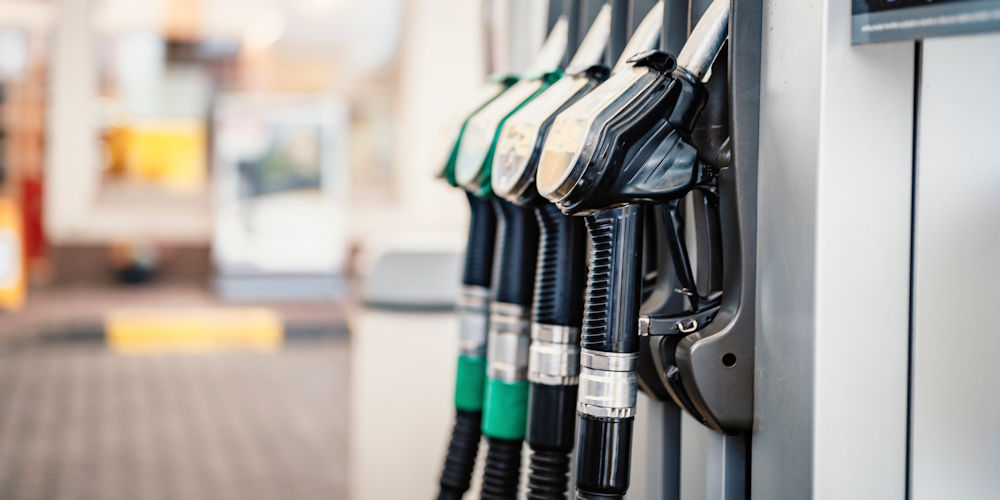
A new government scheme lets drivers compare the cost of fuel offered by petrol stations across the UK.