
Alloy Wheels: Repairing and Refurbishment

Alloy Wheels

Why Repairing and Refurbishment of Alloy Wheels Matters

Many drivers only notice their alloy wheels when something goes visibly wrong – a scuff against a kerb, a patch of bubbling paint, or a crack that suddenly becomes too obvious to ignore. Yet the repairing and refurbishment of alloy wheels is about far more than simply improving the look of your car. Done properly, alloy wheel repair in the UK can restore both appearance and structural integrity, helping to maintain safety, protect your investment, and even improve your vehicle’s resale value.

Refurbishing alloy wheels allows you to restore alloys that are scratched, chipped, or corroded, rather than replacing them outright. This makes it a highly cost-effective wheel repair solution, especially when compared with the price of brand-new wheels. Beyond saving money, alloy wheel refurbishment brings a range of benefits: it can reduce the risk of further damage, improve handling if bent wheels are straightened, and give your car a fresher, more cared‑for appearance. In many cases, choosing to refurbish alloy wheels instead of replacing them is the smarter, more sustainable option.

Common Types of Alloy Wheel Damage (and How to Spot Them Early)

Alloy wheel damage comes in many forms, and learning to recognise it early can save you a great deal of hassle and expense. Kerbed alloy wheels and scuffed alloy wheels are among the most common issues, typically caused by brushing or hitting the kerb when parking. These marks may start as simple cosmetic blemishes, but if left untreated they can expose the metal and make corrosion more likely.

More serious problems include a bent alloy wheel, usually the result of hitting a pothole or road debris at speed. This can lead to vibrations through the steering wheel or an uneven ride. A cracked alloy wheel is an even greater concern, as cracks can compromise the wheel’s structural strength and, in extreme cases, lead to failure. Corrosion on alloy wheels often shows up as white, powdery patches, flaking lacquer, or bubbling paint on alloys. These are signs that moisture and road salt are getting under the surface. Being aware of alloy wheel damage causes and looking out for early symptoms – such as persistent loss of tyre pressure, vibrations, visible cracks, discolouration, or rough edges – will help you spot the signs you need wheel repair before the problem becomes dangerous or expensive.

Can My Alloy Wheels Be Repaired? Safety, Legality and When to Replace Instead

Not every damaged wheel has to be replaced, but not every wheel can safely be repaired either. The key questions are whether damaged alloy wheels are safe to drive on and whether repairs will meet UK legal and road safety standards. In some cases, minor kerbing, light scuffs, and small areas of cosmetic corrosion can be completely restored without affecting the wheel’s strength. However, deeper cracks, severe buckling, or missing chunks of metal may mean the wheel is no longer structurally sound.

From a UK road safety alloy wheels perspective, anything that compromises the strength of the wheel can be dangerous. For example, serious cracks near the spokes or around the inner rim may exceed sensible crack repair limits. Attempting to fix these just for appearance risks both your safety and that of other road users. During an MOT, alloy wheel damage can be picked up if it affects the wheel’s structural integrity or leads to issues such as tyre bead seating problems or tyre damage. If a professional technician advises that a wheel has structural damage beyond repair, that is usually the point when to replace alloy wheels altogether. A reputable repairer will always work within legal requirements in the UK and put safety first, advising you honestly on whether repair or replacement is the right option.

Professional Processes for Repairing and Refurbishment of Alloy Wheels

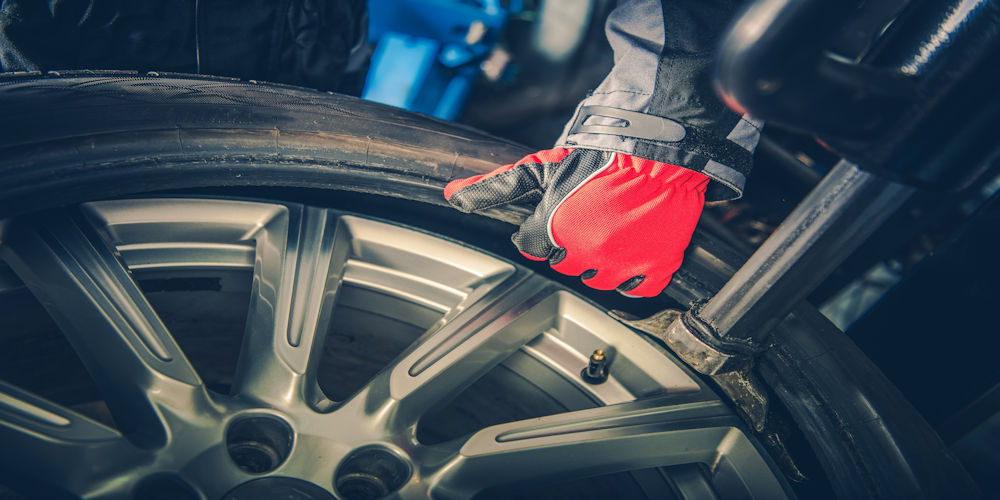
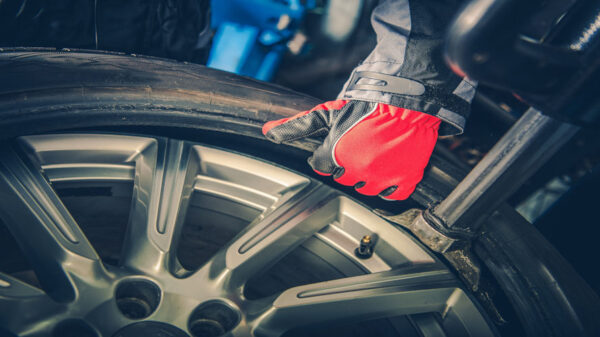
Professional alloy wheel refurbishment is far more involved than a quick sand and spray. A quality alloy wheel refurbishment process begins with removing the wheels from the car, stripping off tyres where necessary, and thoroughly cleaning them to reveal all damage. Shot blasting wheels is often used to remove old paint, lacquer, and corrosion, taking the wheel back to bare metal and providing a clean surface for further work.

For wheels that are out of shape, wheel straightening techniques can be applied using specialist equipment to carefully bring the rim back into true alignment. Crack repair on alloys, where appropriate and safe, involves welding and then refinishing the area so that strength and appearance are restored. Depending on the style, the wheel may then undergo diamond cut alloy repair to recreate a sharp, turned metal face, or be refinished using powder coating on alloys for a durable, even colour. Full alloy refurbishment typically includes repairing kerb damage, smoothing the surface, reapplying primer, colour, and lacquer, and finally refitting and balancing the tyres. When carried out by skilled technicians, these steps can achieve a factory finish restoration that makes tired, damaged wheels look almost brand new.

Diamond Cut vs Painted Alloys: What’s the Difference When Refurbishing?

When refurbishing, one of the key decisions is whether your wheels are, or should be, diamond cut or painted. Diamond cut alloy wheel refurbishment is used on wheels that have a bright, almost mirror-like metal face with fine machining lines visible under a clear lacquer. After repairing any damage, the wheel is placed on a lathe and a very thin layer of metal is precisely skimmed off to achieve a sharp, fresh diamond turned finish, followed by a protective lacquer.

Painted alloy wheel repair, by contrast, involves building up layers of primer, colour, and clear coat over the entire face of the wheel. This can offer excellent coverage and a wide choice of colours and finishes, from subtle OEM shades to bold custom looks. Lacquered alloys, whether diamond cut or painted, rely on that clear coat to keep out moisture and road salts. The best finish for alloy wheels depends on your priorities. Diamond cut finishes look striking and premium but can be more vulnerable to corrosion if the lacquer is breached, so maintenance and avoiding kerb damage are important. Painted finishes are often more forgiving, easier to refurbish repeatedly, and may last longer under harsh UK weather. Understanding the pros and cons of diamond cut versus painted alloys will help you make the right decision for both style and longevity, and ensure you know how to maintain diamond cut alloys properly if you choose that route.

Mobile vs Workshop Alloy Wheel Repair: Which is Right for You?

You will also need to decide between mobile alloy wheel repair in the UK and a full workshop refurbishment service. Mobile alloy wheel repair offers convenience: technicians come to your home or workplace with specialist tools and materials, providing on-site wheel repair for scuffs, kerb marks, and light damage. This can often be a same‑day alloy repair, causing minimal disruption to your routine and avoiding time without your vehicle.

Workshop refurbishment, on the other hand, tends to offer a more comprehensive service. With fixed equipment such as lathes, ovens, and blasting cabinets, a workshop can carry out more extensive repairs, including wheel straightening, crack repair, powder coating, and diamond cut finishes. This is ideal for full alloy refurbishment or when you want a factory-level finish. Choosing between mobile and workshop options comes down to convenience vs quality and the type of damage you have. Mobile repairs are excellent for minor cosmetic issues and quick touch-ups; workshop refurbishment is usually better for heavily damaged wheels, structural issues, or when you want a complete transformation rather than a basic at-home alloy refurbishment.

How Much Does Repairing and Refurbishment of Alloy Wheels Cost in the UK?

The cost of repairing and refurbishment of alloy wheels in the UK varies depending on wheel size, type of finish, extent of damage, and whether you opt for mobile or workshop-based services. Typical alloy wheel refurbishment cost in the UK is often quoted per wheel, with a standard painted refurbishment usually at the lower end and diamond cut alloy wheel refurbishment at the higher end due to the extra machinery and time required. Prices can range from budget services that focus mainly on cosmetic improvement to premium services that aim for an as‑new factory finish.

When considering price per wheel, it is worth asking whether alloy wheel repair is worth it for your particular car. In many cases, refurbishing is significantly cheaper than buying replacement wheels, especially genuine OEM or high-end aftermarket sets. You can often save money on new wheels by opting for repair, and some insurance policies may contribute towards alloy wheel repair after minor accidents or claims. The cost of diamond cut refurbishment, while higher, may still be far better value than replacing specialist wheels. Ultimately, you should weigh budget vs premium services carefully and factor in the long‑term benefits: improved appearance, potential resale value, and the peace of mind that comes from professionally repaired wheels.

Choosing a Reputable Alloy Wheel Refurbishment Specialist

The quality of your results depends heavily on who you trust with your wheels, so choosing a reputable alloy wheel refurbishment specialist is crucial. Rather than simply searching “best alloy wheel repair near me” and picking the first result, take time to research. Look for evidence of experience and technical knowledge, clear explanations of their process, and whether they offer guarantees and warranties on their work. A good wheel repairer will be happy to show you before and after alloy wheels photos so you can judge the standard of their finishes.

Reviews and testimonials from previous customers are invaluable; consistent positive feedback is usually a sign of reliable service and lasting results. Professional accreditation or membership of recognised trade bodies can also indicate a commitment to standards and training. When comparing providers, ask what to look for in a wheel repairer: do they have proper equipment for diamond cutting and powder coating? Do they follow safety guidelines for crack repairs and structural issues? A trustworthy specialist will prioritise your safety as well as the cosmetic outcome and will advise honestly when replacement is more appropriate than repair.

DIY Alloy Wheel Touch-Ups vs Professional Refurbishment

For minor marks, some drivers consider using a DIY alloy repair kit or attempting a home alloy wheel touch up. These kits can be useful for very small chips and scratches, allowing you to fix minor scuff repair areas and reduce the visibility of light kerb rash. With patience and care, DIY methods may improve the appearance of small blemishes and offer a temporary solution.

However, there are clear differences between professional vs DIY results. Professionals have access to specialist tools, high-quality paints and lacquers, temperature-controlled curing, and precision equipment for straightening and diamond cutting. DIY repairs, by contrast, are limited by the products and skills of the person using them. The risks of DIY wheel repair include uneven finishes, mismatched colours, trapped dirt, and even making structural damage worse if cracks or bends are misunderstood or hidden under filler and paint rather than properly repaired. As a rule of thumb, DIY is best kept for very light cosmetic touch-ups, while deeper gouges, corrosion, buckles, and any suspected cracking are definite situations when to call a professional.

Protecting Your Refurbished Alloy Wheels: Maintenance and Prevention Tips

Once your wheels have been refurbished, protecting that fresh finish is essential. Knowing how to care for alloy wheels correctly will help them stay looking good for longer and prevent avoidable damage. Cleaning refurbished alloys regularly with pH‑balanced wheel cleaners and soft brushes removes brake dust, road salt, and grime that can eat into the finish over time. Avoiding harsh, acidic cleaners or abrasive pads will reduce the risk of damaging the lacquer.

Simple habits can protect wheels from kerbing, such as taking extra care when parallel parking and being mindful of tight spaces and high kerbs. For added defence, some owners opt for ceramic coating alloys, which creates a hydrophobic barrier that makes cleaning easier and adds a layer of protection against contaminants. Considering winter protection for wheels is also wise in the UK, where grit and road salt are common; this may include more frequent cleaning or using a dedicated winter wheel and tyre set. Tyre choice and wheel protection also go hand in hand – slightly taller sidewalls or rim‑protector tyres can help shield alloys from minor impacts. By following these steps, you can significantly prevent corrosion on alloys and keep your refurbished wheels in top condition for years.

Environmental and Resale Benefits of Repairing and Refurbishment of Alloy Wheels

Beyond the immediate cosmetic and safety advantages, repairing and refurbishing alloy wheels offers important environmental and financial benefits. Eco‑friendly wheel refurbishment helps reduce waste by extending the life of existing wheels rather than sending them to landfill or recycling prematurely. Every time you choose to restore rather than replace, you are contributing to a more sustainable approach to car care, making better use of the resources already in circulation.

Extending wheel lifespan also has a positive knock‑on effect on your car’s overall value. Clean, damage‑free wheels can increase car resale value and improve first impressions for potential buyers. Shabby, corroded alloys often suggest a car has not been well maintained, which can put buyers off or encourage lower offers. In contrast, freshly refurbished alloy wheels can transform the look of a vehicle, making it appear newer and better cared for. When it comes to alloy wheels and part‑exchange, well-presented wheels can help your car stand out and may make negotiations smoother. In this way, sustainable car care through refurbishment benefits both the planet and your pocket.

Restore Your Alloys, Refresh Your Car – Take the Next Step Today

If your wheels are kerbed, scuffed, corroded, or simply looking tired, now is the ideal time to act. When you book alloy wheel refurbishment with a reputable specialist, you are not only improving your car’s appearance but also supporting its safety, performance, and long-term value. Whether you need a quick cosmetic tidy‑up or a full professional alloy wheel restoration, there are affordable alloy repair options to suit different budgets and requirements.

Taking a few moments to get a wheel repair quote in the UK can show you how cost‑effective refurbishment is compared with replacing your wheels completely. A carefully chosen repair service can enhance safety and performance by addressing bends and cracks, while also delivering a finish you can be proud of. Restoring your alloys is one of the most visible upgrades you can make to your car – a relatively small step that makes a big difference every time you walk up to your vehicle or hand over the keys to its next owner.

You might also like

More Blog Posts